The Better Choice for You
South Korea is not an alternative to Western education. For students who understand its opportunities, it is often a better choice.
Not sure which country suits you? Let us compare your options.
A Country That Is
Investing in International Students
South Korea’s universities are globally competitive, with strong research output and internationally recognized degrees. With a goal of 300,000 international students by 2027, the country is expanding scholarships and visa options.
For Bangladeshi students, this means more seats, better funding opportunities, and improved chances to stay and work after graduation.
Real Career Pathways
Structured visas like D-10 (job seeking) and E-7 (professional) provide a clear route to employment and long-term residency
Growing Demand
A shrinking workforce is driving real demand for skilled international graduates across multiple sectors
Safety and Infrastructure
One of the world’s safest countries, with top-tier internet connectivity and highly efficient public transport
What it Actually Costs to Study in
South Korea vs. Western Countries
The cost difference between South Korea and Western destinations is significant — and it is not a question of quality. Korean universities maintain strong academic standards while operating at a fraction of the cost of their Western counterparts.
TUITION FEE
$3,000 – $5,000
LIVING COSTS
$5,000 – $8,000
SCHOLARSHIP OPPORTUNITY
High
TOTAL
TUITION FEE
$20,000 – $40,000+
LIVING COSTS
$15,000 – $22,000+
SCHOLARSHIP OPPORTUNITY
Competitive
TOTAL
KOREA
AT A GLANCE
South Korea is ranked consistently top globally for internet speed and digital infrastructure and one of the lowest violent crime rates in the world.
Wide range of English-taught programs across major universities
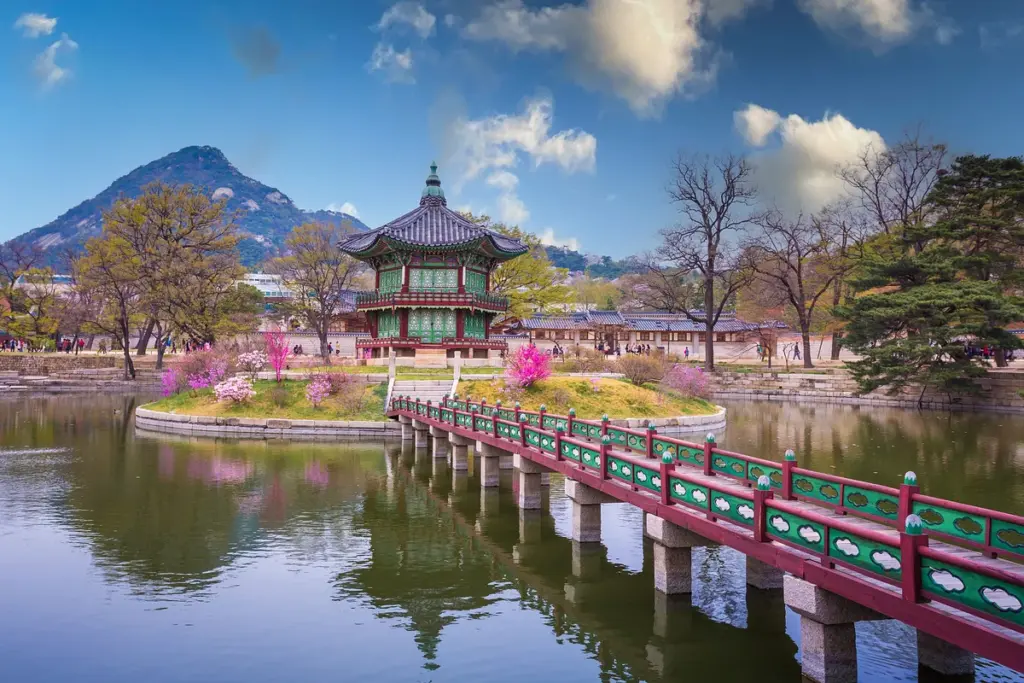
CITIES WITH GREAT UNIVERSITIES IN
SOUTH KOREA
Seoul

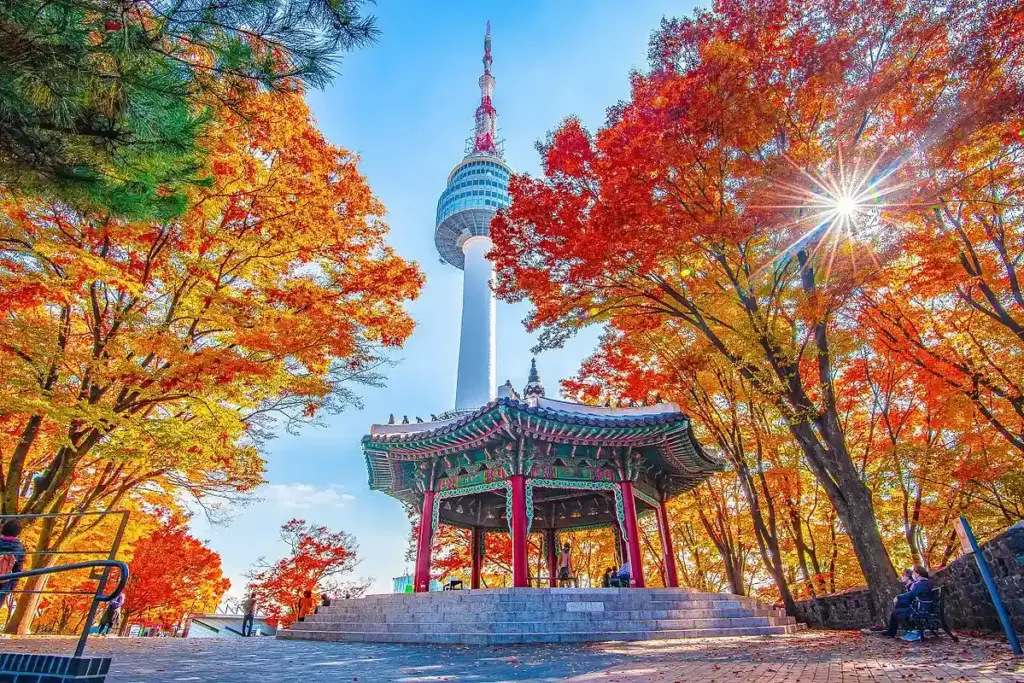
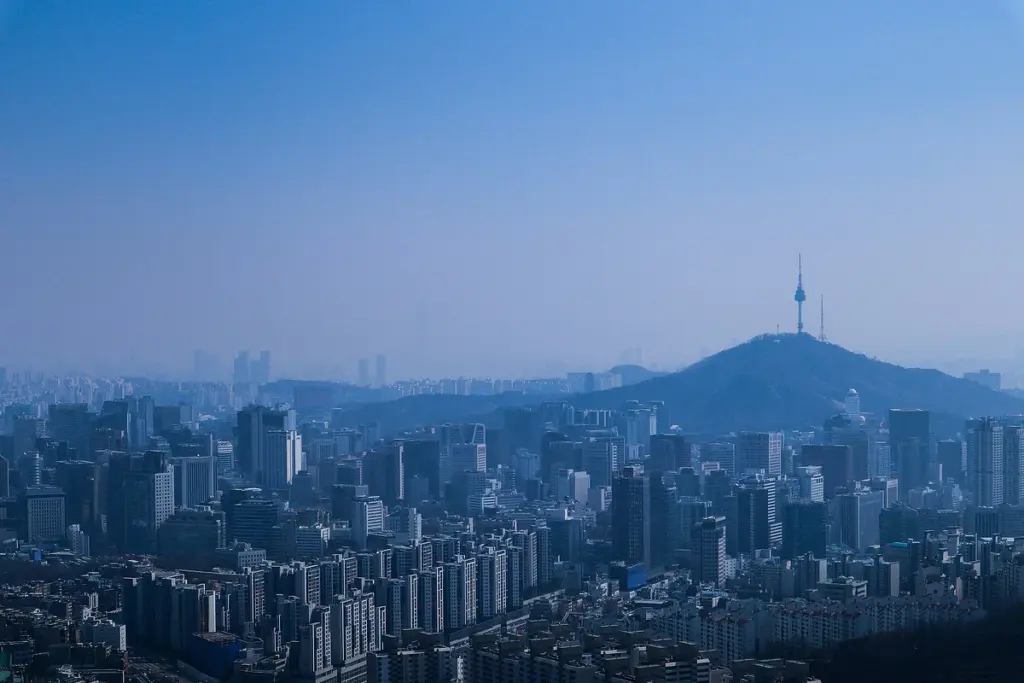

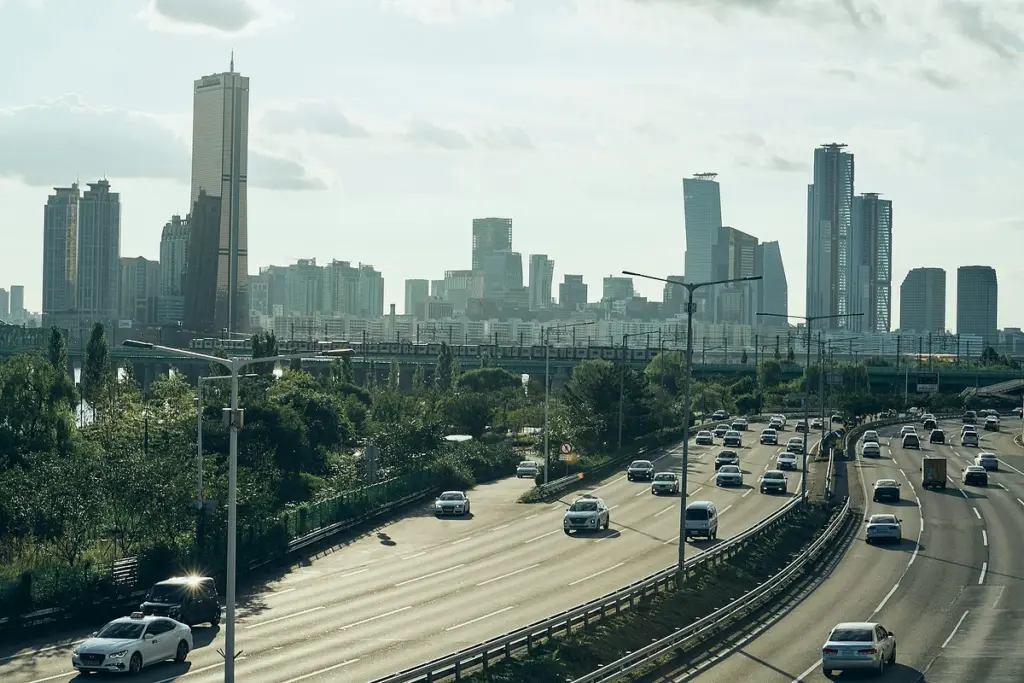

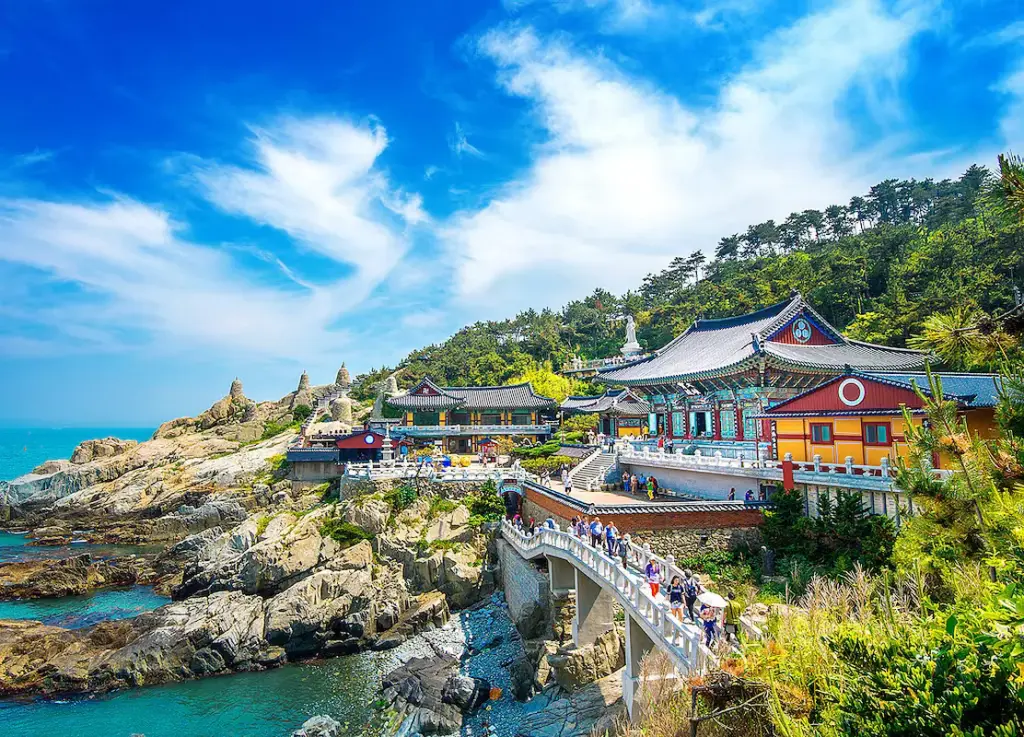
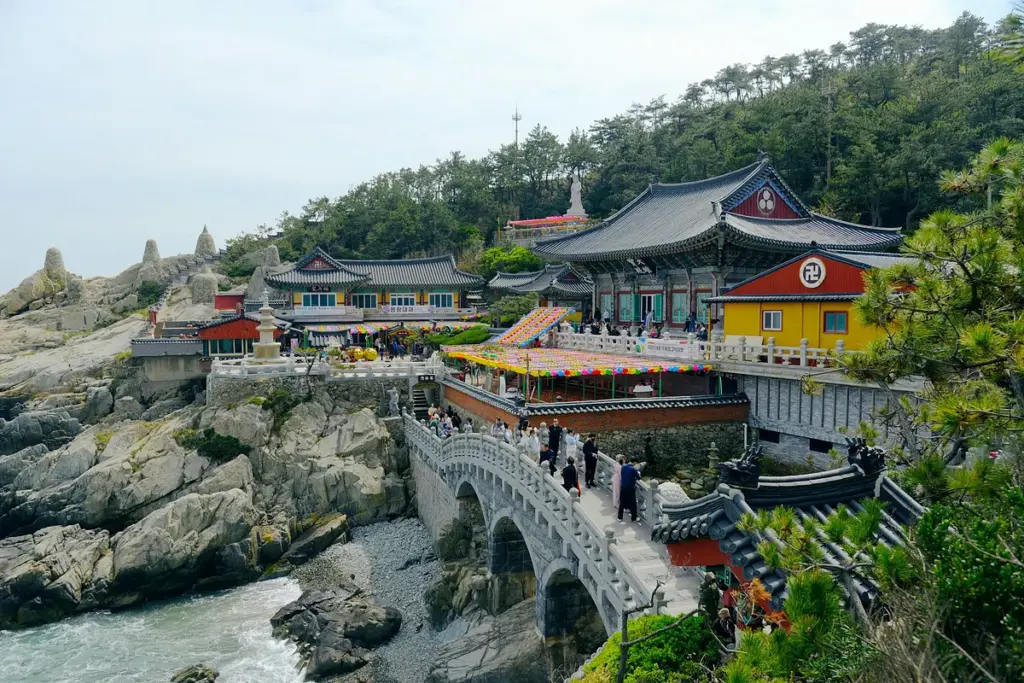
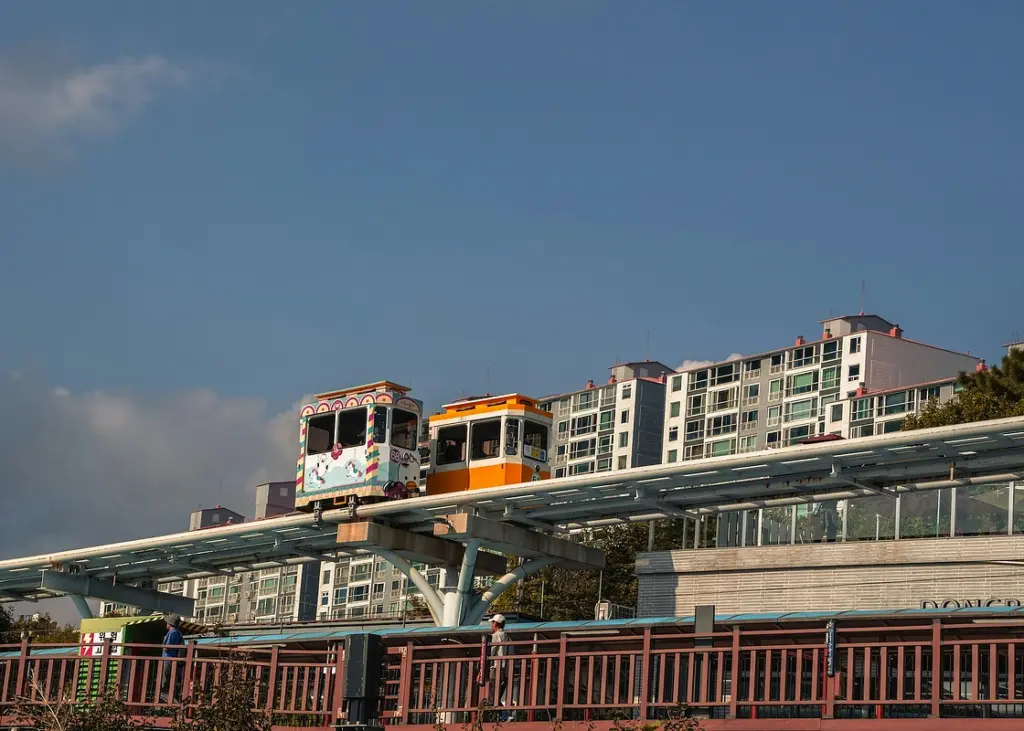
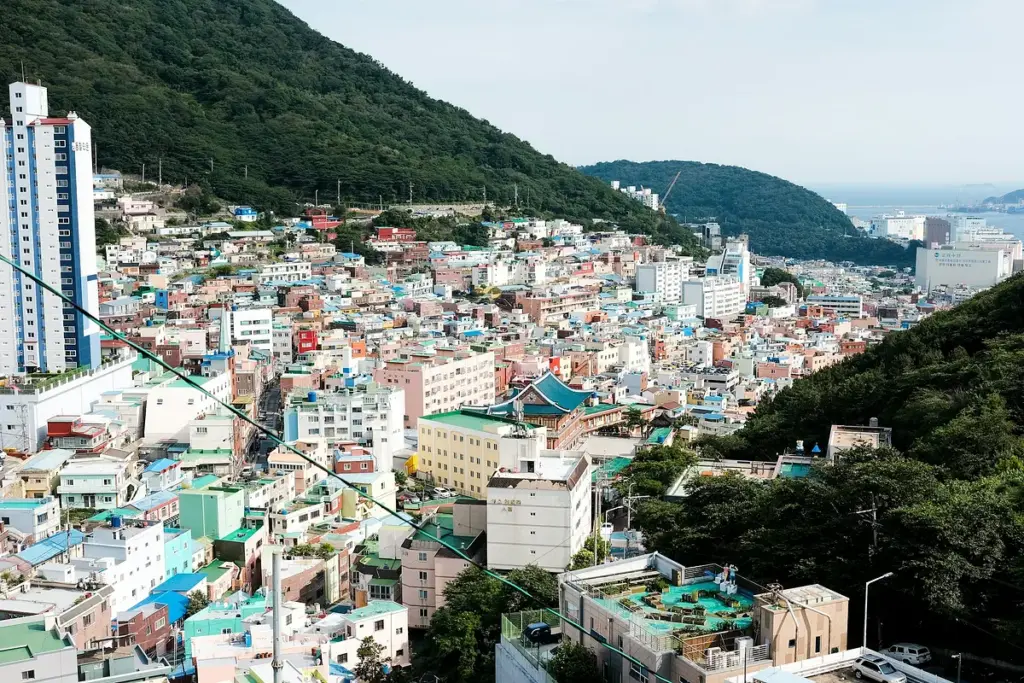

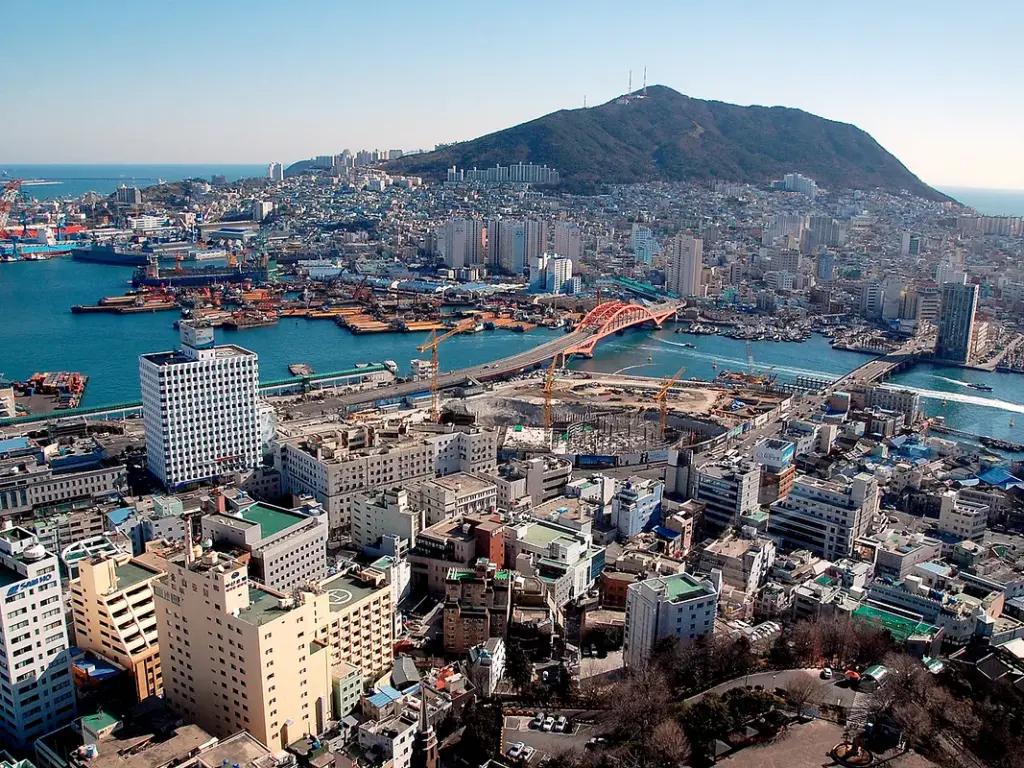
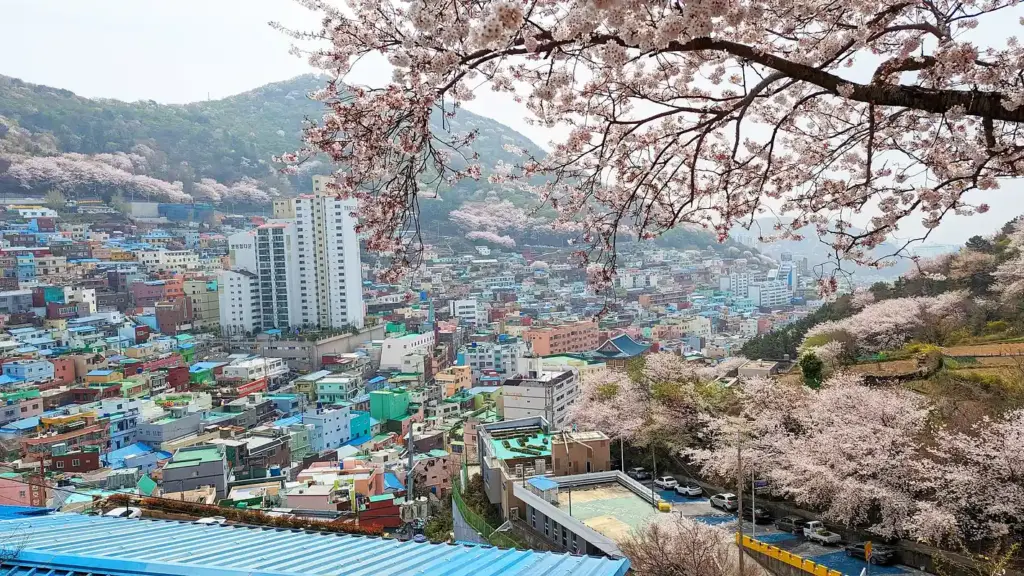
Busan
Gangneung
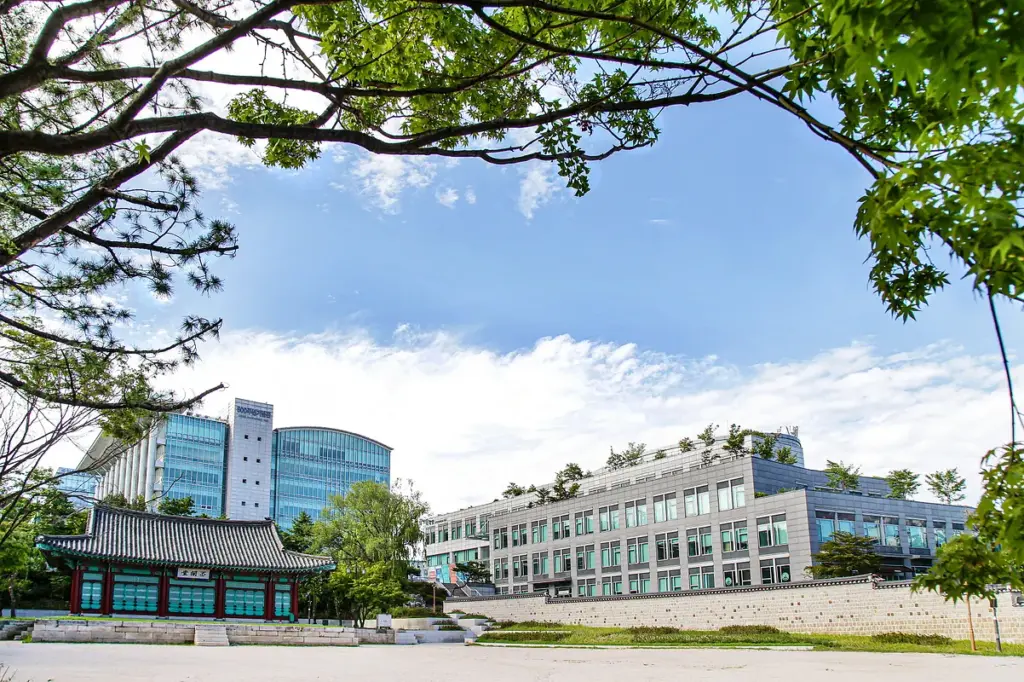
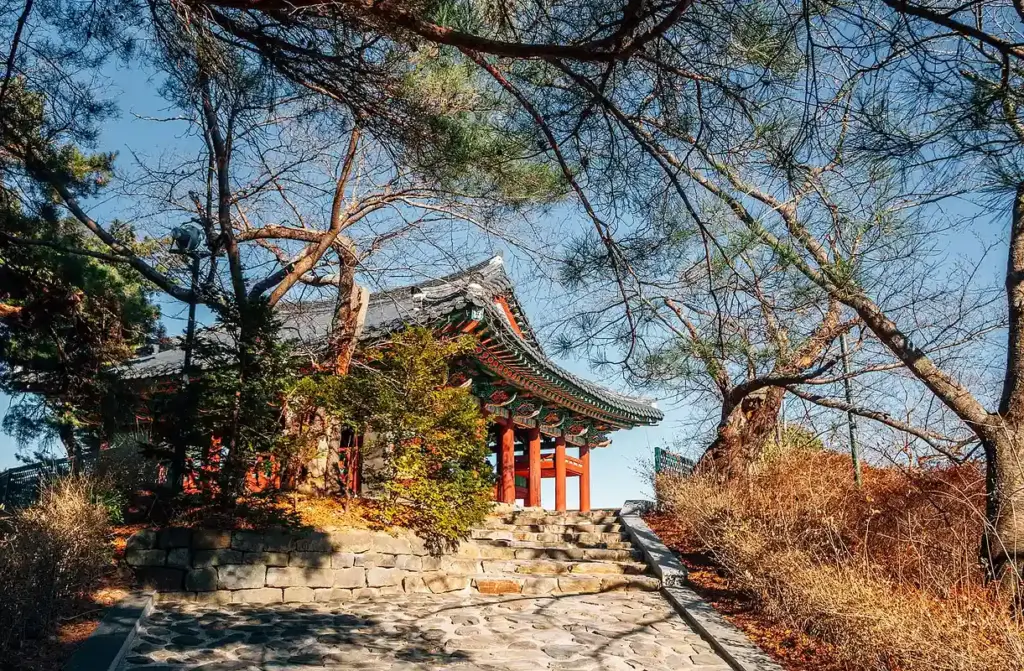
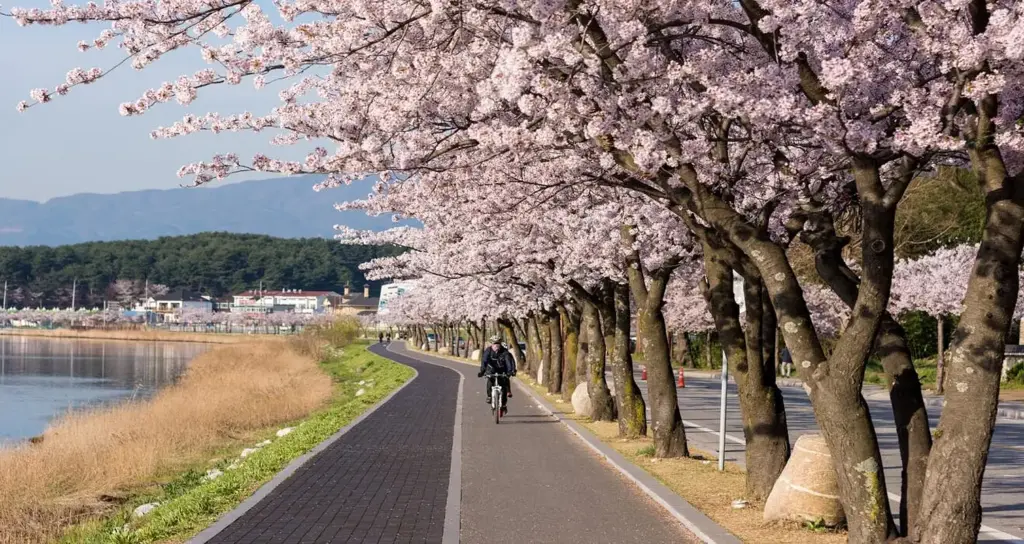

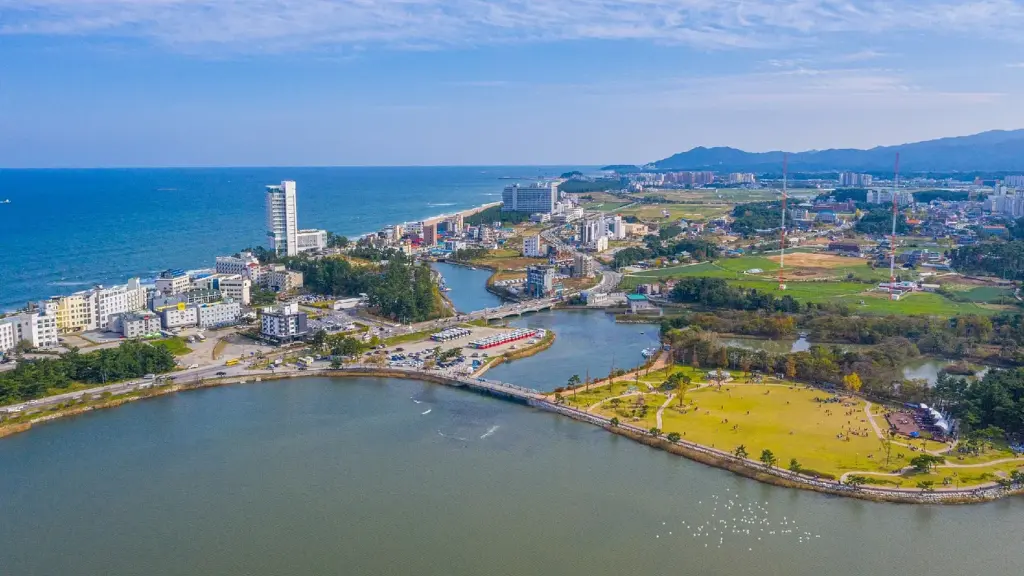
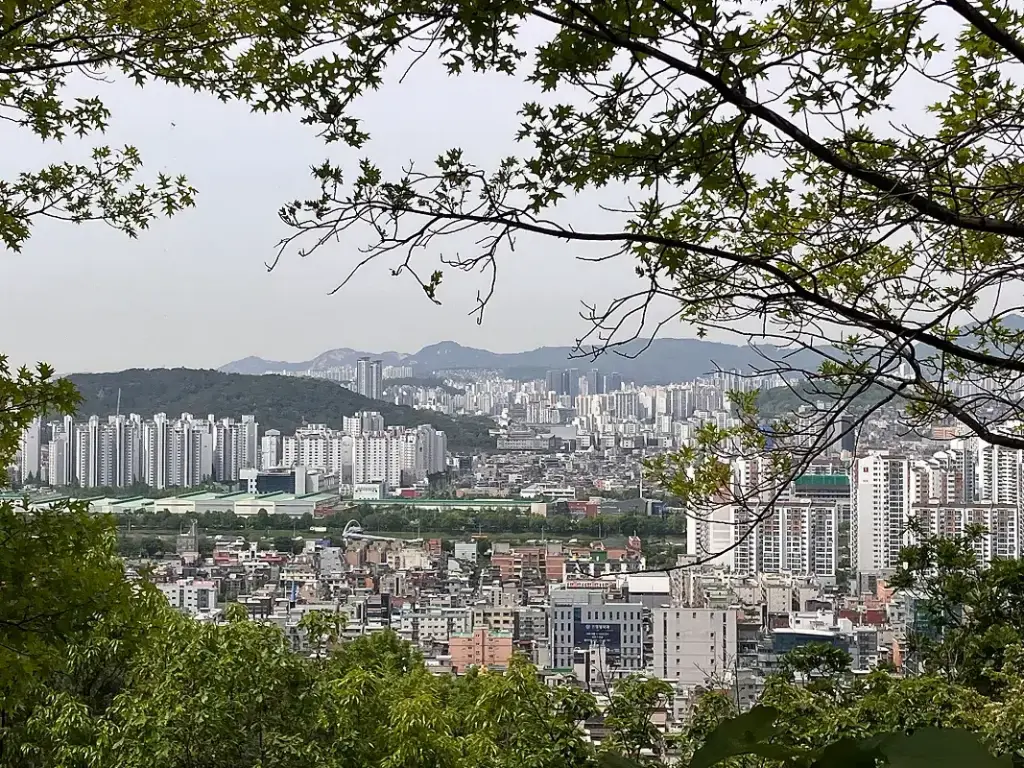
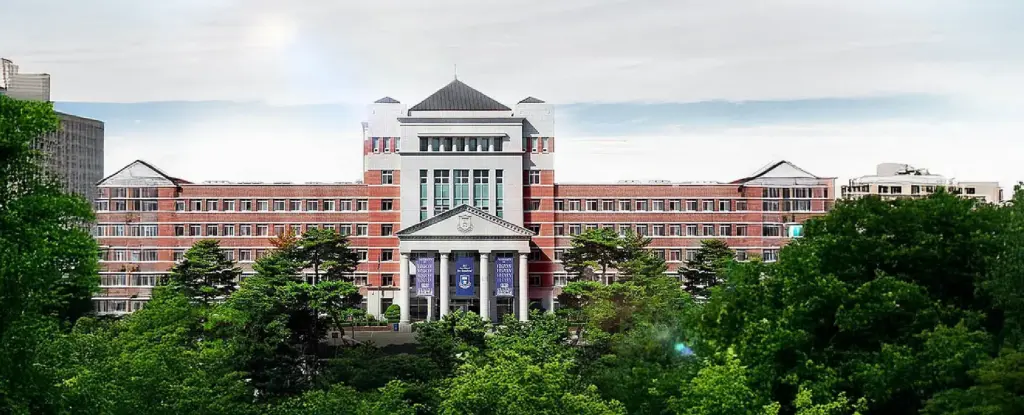
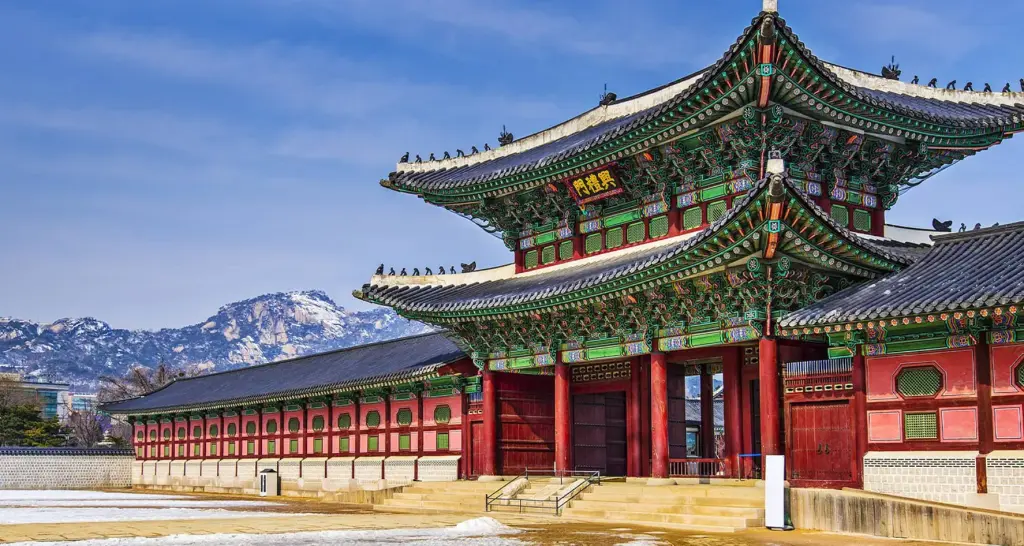
Yangju
Clear post-study work pathway with structured job and residency visas

Caregiver
Program
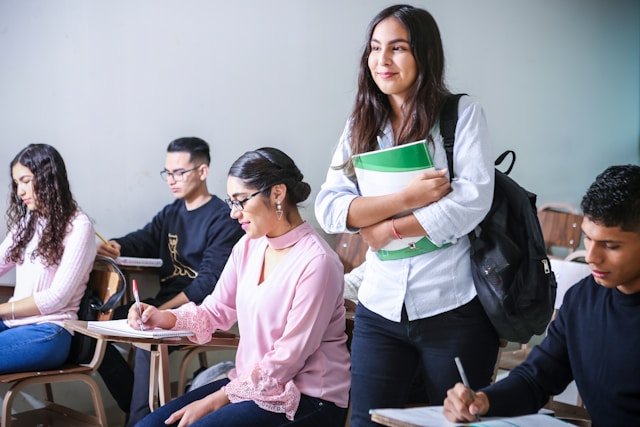
Undergraduate
Program
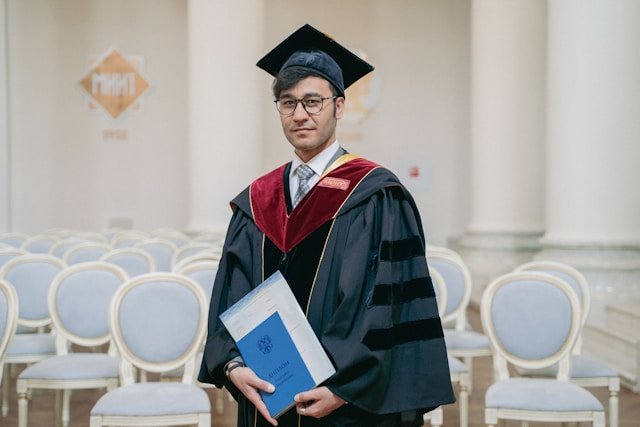
Master’s
Program
The Korean Education System
Globally Competitive Universities
South Korea is home to top-ranked institutions known for rigorous academics, cutting-edge research, and degrees that are widely recognized by employers worldwide.
Strong Industry Integration
Universities maintain close ties with major companies like Samsung, Hyundai, and LG, creating opportunities for internships, research collaboration, and direct employment pathways
Wide Range of English-Taught Programs
Many universities offer full degree programs in English, making it accessible for international students without requiring advanced Korean language proficiency
Research and Innovation Focus
The education system emphasizes STEM fields, innovation, and practical skills, supported by significant government investment in R&D and technology
Structured Academic Environment
Known for discipline and high academic standards, Korean universities provide a focused and competitive learning atmosphere that prepares students for global careers
Government Support for International Students
With a national goal to expand international enrollment, the government is increasing scholarships, easing visa pathways, and encouraging universities to attract and support foreign students
What You Need to Apply
Korean university requirements vary by institution and program, but most applications ask for a similar core set of documents.
Standard Requirements:
Academic Records: High school transcripts and graduation certificate, or equivalent, for undergraduate applicants; bachelor’s transcripts and degree certificate for postgraduate applicants. Korean university guidance generally requires proof of completed education and official transcripts.
Language Proficiency: Many Korean-track programs ask for TOPIK Level 3 or above, though some fields may accept Level 2; many English-track programs commonly ask for IELTS 5.5 or an equivalent score, but exact thresholds vary by university and program.
Financial Proof: Bank balance or sponsor documentation showing the ability to cover tuition and living expenses is usually required. Official guidance says the standard is generally one year of tuition and living costs, and some university guides require a balance in the applicant’s or parent’s name, depending on the program.
Application Timing: Spring intake usually falls in the September–November application window, while fall intake usually falls around May–June, although some universities use slightly different schedules.
A note on financial documentation:
This is one of the most sensitive parts of the application, because universities and visa processes require clear financial proof in the correct format.
Our Top Programs
Explore our top programs for your
Government backed Caregiver Program with easy E-7 Visa Pathway
Learn the Korean Language in a Structured Program for a Career in South Korea.
Step into the world of Higher Education in Korea and Top Ranked Universities in the World
Continue your Education in World Class Instituitions and top fascilities.
Frequently Asked Questions
Questions Students Ask Before Deciding
